Building Infrastructure That Lasts
Done right the first time — with safety, quality and accountability at the core of every project.
- About us
We Build with Purpose, Passion, and Precision
- Our services
Our Spectrum of Services for Civil & Construction Needs
Civil Construction & Roads
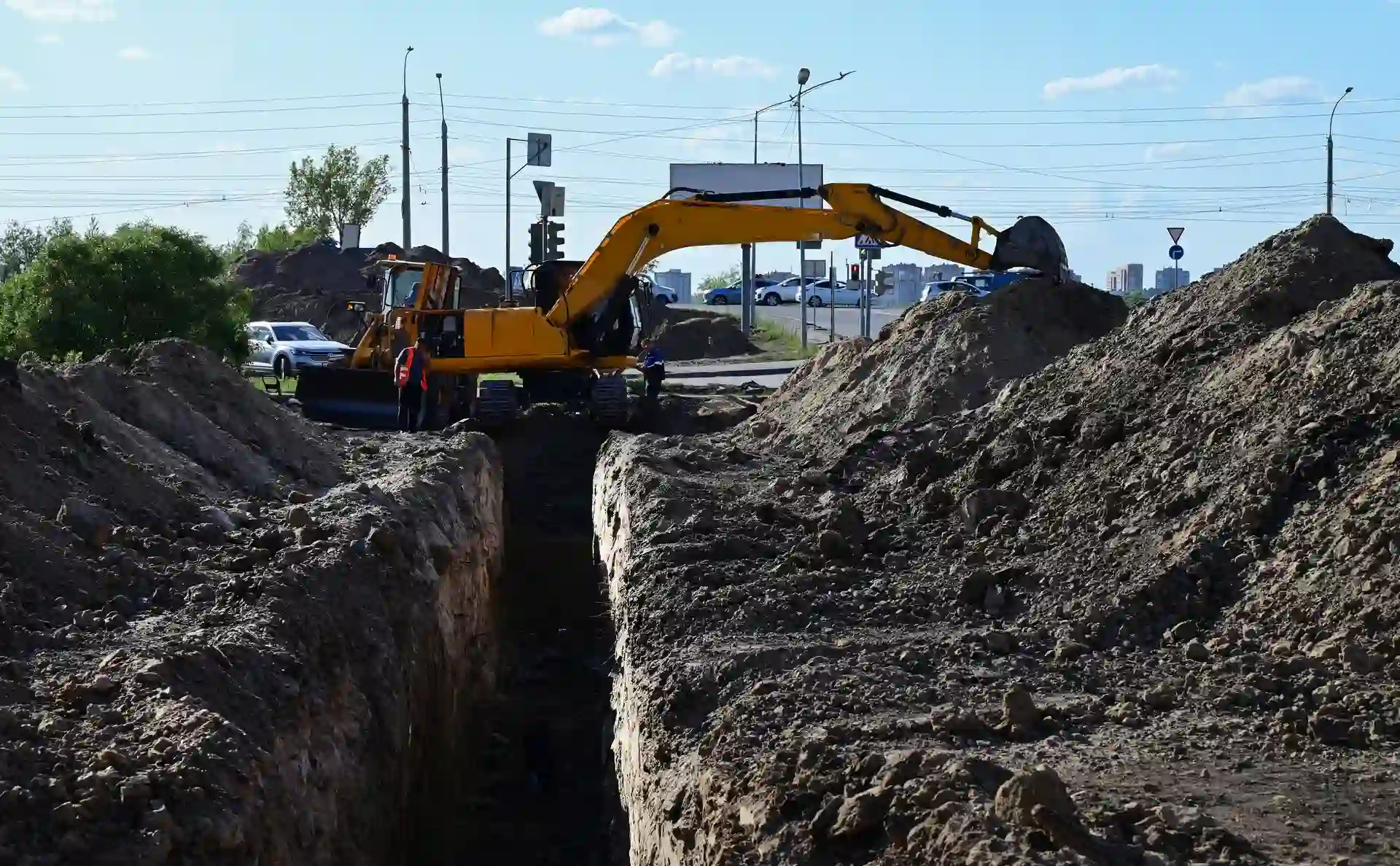
Road construction and paving, concrete works, and stormwater systems delivered with durability, safety and proper site supervision.
Water Infrastructure
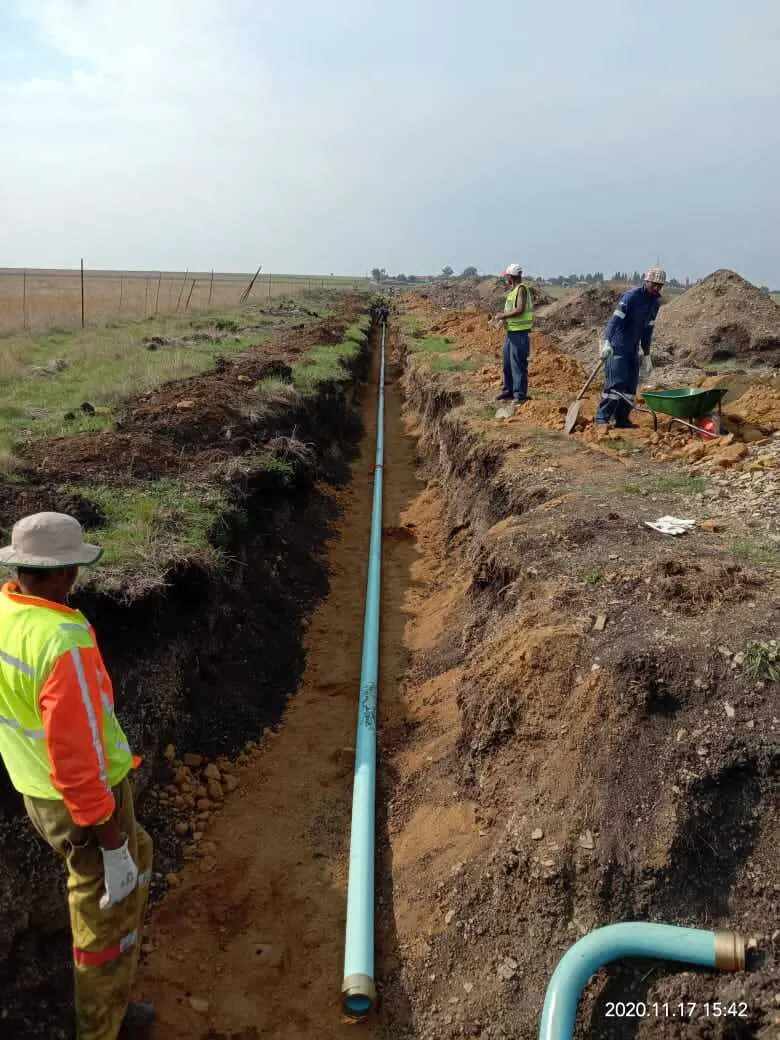
Bulk water supply systems, water reticulation, pipeline installation and HDPE welding executed to specification and tested for long-term reliability.
Building Renovations & Maintenance
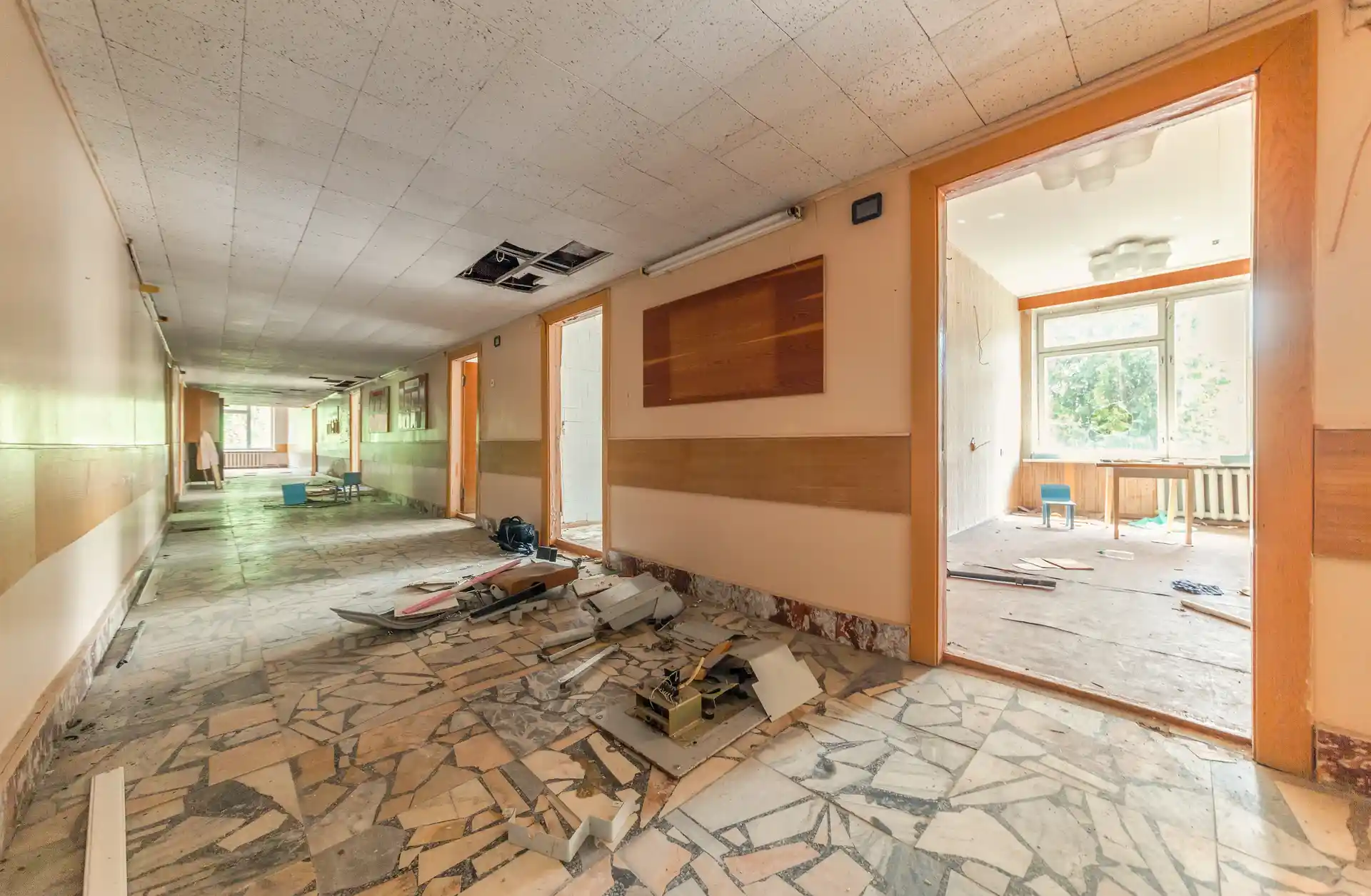
Industrial and residential renovations, building maintenance and refurbishments completed with minimal disruption and clean handover.
Plumbing, Sewer & Supply
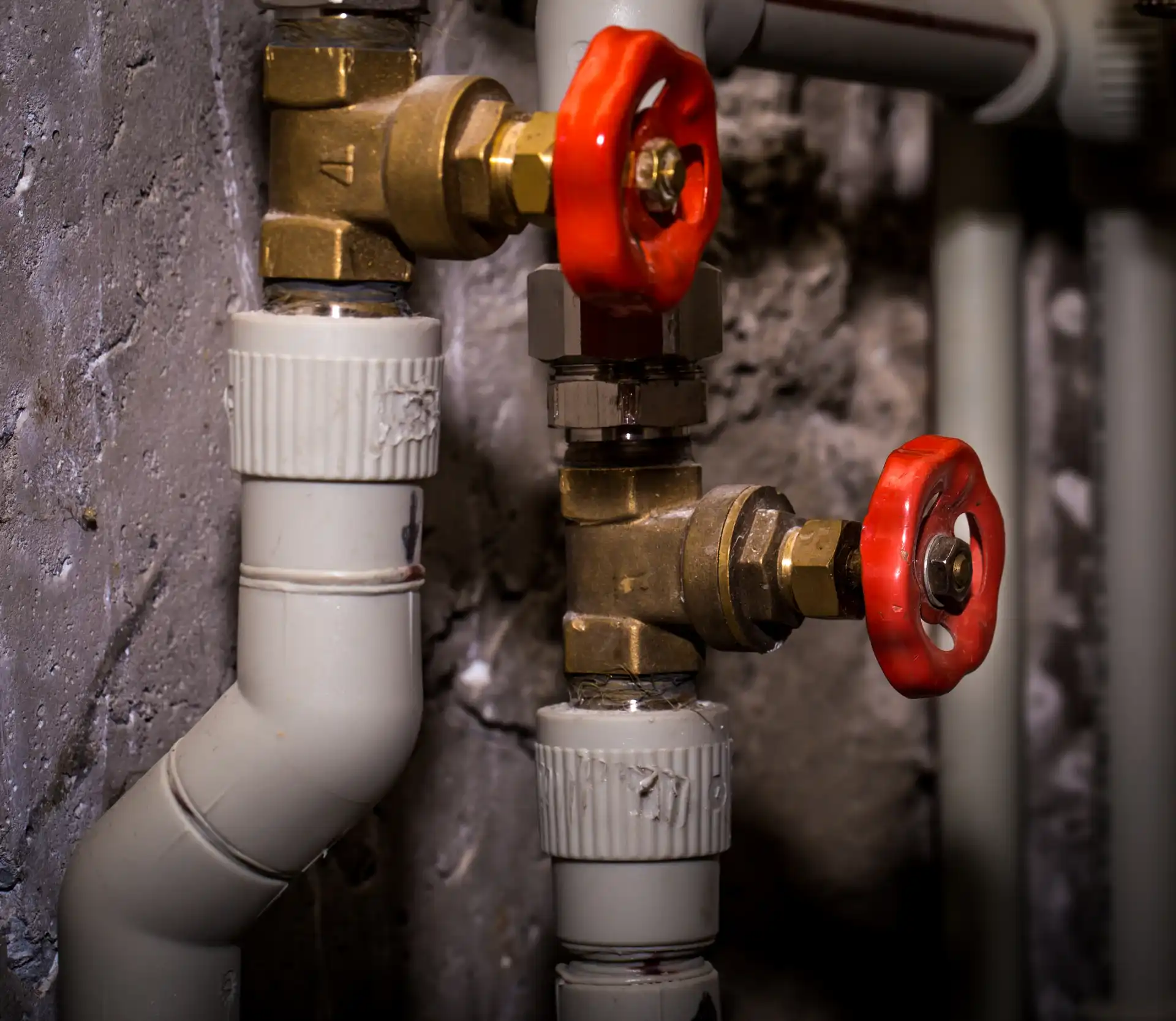
Industrial and residential plumbing, sewer line construction and repairs, plus supply of plumbing materials to support efficient project delivery.
Turning Plans into Safe, Working Infrastructure
Key Reasons to Partner with Bareng Batho
01
Compliance-Driven Delivery
We understand public-sector procurement requirements and private-sector timelines, delivering with proper documentation and accountability.
02
Proven Local Experience
Over two decades of construction, renovation and water infrastructure delivery across Mpumalanga.
03
Multi-Discipline Capability
Civil works, plumbing, sewer, stormwater and HDPE welding coordinated under one reliable contractor.
04
Integrity, Safety and Quality
We prioritise ethical practice, safe sites and workmanship that meets required standards.
Frequently Asked Questions
Civil Construction & Project Management
What is civil construction and how is it different from civil engineering?
Civil engineering designs and plans infrastructure — roads, drainage, water systems, and structures. Civil construction is the physical execution of those designs on site. A civil construction company like Bareng Batho translates engineering drawings and municipal specifications into completed, compliant infrastructure. Our work covers road construction, concrete works, stormwater drainage, water reticulation, and building works — all executed to the designs and standards set by engineers and municipalities.
What does construction project management involve on a civil works project?
Construction project management covers scope definition, scheduling, procurement, quality control, health and safety compliance, and client communication from contract award through to handover. In the construction industry, effective project management directly determines whether a project is delivered on time, within budget, and to specification. At Bareng Batho, project management is built into every contract — with proper documentation, site supervision, progress reporting, and accountability in place from day one.
What road construction techniques are used in civil construction projects?
Common road construction techniques include subgrade preparation and compaction, sub-base and base course layer placement, asphalt or bitumen surface application, kerbing and channel installation, and road marking. For stormwater management, culverts, channels, and catch pits are incorporated. The technique depends on road classification, traffic loading, and the project specification. Proper site supervision at each stage is essential to achieve the designed compaction and surface quality.
What is a stormwater drainage solution and why is it required on construction projects?
Stormwater drainage solutions manage surface water runoff to prevent flooding, erosion, and infrastructure damage. On civil construction projects, this includes installation of stormwater pipes, channels, culverts, catch pits, and retention systems. Effective stormwater management is a regulatory requirement on most civil and building projects — protecting roads, structures, and surrounding land from water damage while ensuring compliance with municipal drainage standards.
Water Infrastructure
What is a bulk water supply system and what does it involve?
A bulk water supply system delivers large volumes of treated or raw water from a source — dam, borehole, or reservoir — to a distribution network or end-user facility. It typically involves pipeline installation (including HDPE welding), pump stations, storage reservoirs, pressure management, and water reticulation networks. These systems are critical for municipalities, mining operations, and industrial facilities where reliable, high-volume water delivery is required.
What is water reticulation and how does it differ from bulk water supply?
Water reticulation refers to the distribution network of pipes that carries water from bulk supply points to individual properties, households, or facility connections. Bulk water supply is the upstream infrastructure that brings water from the source to a distribution point. Reticulation is the downstream network. Both form part of a complete water infrastructure system and must be designed, installed, pressure-tested, and commissioned to meet municipal and engineering standards.
What is a Municipal Infrastructure Grant (MIG) and how does it affect civil construction projects?
The Municipal Infrastructure Grant (MIG) is a South African government funding mechanism that provides capital to municipalities for the construction and upgrading of basic infrastructure — including water, sanitation, roads, and stormwater systems. MIG-funded projects require contractors to comply with specific procurement rules, quality controls, and reporting standards. Bareng Batho has experience delivering municipal infrastructure projects and maintains the documentation, compliance records, and project controls aligned to public-sector requirements.
Construction Health & Safety
What construction safety standards apply to civil projects in South Africa?
Civil construction projects in South Africa must comply with the Occupational Health and Safety Act (OHS Act 85 of 1993) and the Construction Regulations (2014). Key requirements include a health and safety plan, a construction safety file, hazard identification and risk assessments (HIRA), site inductions, permit-to-work systems, and proper safety signage. Workers must have appropriate PPE including safety boots, hard hats, and high-visibility vests. Non-compliance can result in project stoppages, fines, or legal liability.
What must a construction safety file contain?
A construction safety file is a legal requirement under the Construction Regulations. It must contain: the contractor’s health and safety plan, OHS Act registration, hazard identification and risk assessment (HIRA), method statements, proof of worker training and inductions, medical fitness certificates, plant and equipment inspection records, emergency response procedures, and incident and near-miss reports. The file must be kept on site, available for inspection at all times, and updated throughout the project lifecycle.
What building safety regulations apply to renovations in South Africa?
Building renovations must comply with the National Building Regulations and Building Standards Act (Act 103 of 1977), applicable SANS standards, and local municipal by-laws. Key requirements include building plan approval before work commences, compliance with structural, fire safety, electrical, and plumbing standards, and a certificate of occupancy on completion for major works. The NHBRC (National Home Builders Registration Council) governs residential new builds and significant renovations. Bareng Batho is NHBRC registered and ensures all renovation work is fully compliant.
Compliance & Credentials
What does CIDB registered mean and why does it matter when choosing a civil contractor?
The CIDB (Construction Industry Development Board) is a South African statutory body that grades contractors based on financial capacity, technical capability, and construction track record. A contractor’s CIDB grade determines the maximum value of public-sector contracts they may tender for. Appointing a CIDB-registered contractor gives clients — particularly municipalities and public entities — confidence in the contractor’s regulatory standing, financial stability, and capability to execute contracts at the appropriate scale. Bareng Batho holds an active CIDB registration.
What does plumbing system maintenance involve on civil and building projects?
Plumbing system maintenance covers routine inspection, leak detection and repair, pipe cleaning and flushing, valve and fitting servicing, hot and cold water system checks, drainage clearance, and sewer line inspection. For large-scale civil or municipal projects, maintenance of plumbing systems also involves pressure testing, joint inspection, and component replacement on bulk pipelines. Regular maintenance prevents system failure, water loss, and costly emergency repairs — extending the operational life of the infrastructure.
Working With Bareng Batho
Are there civil construction job opportunities at Bareng Batho?
Bareng Batho periodically recruits for civil construction jobs including site supervisors, foremen, skilled construction workers, plumbers, and safety officers — based on active project requirements. To enquire about current vacancies, contact us directly at sales@barengbatho.co.za or call +27 72 3874 298. Speculative applications from qualified civil construction professionals are always welcome.
How does Bareng Batho handle project scheduling and site readiness?
Every Bareng Batho project begins with a structured pre-construction phase covering scope confirmation, resource scheduling, safety plan preparation, and site readiness checks before mobilisation. This includes confirming site access, permit requirements, utility co-ordination, and material lead times. A clear project schedule is shared with the client, and regular progress updates are communicated throughout — minimising delays, cost overruns, and surprises at handover.
How do I request a quote or report an issue on an active Bareng Batho project?
To request a project quote, use the contact form at barengbatho.co.za/contact-us/, email sales@barengbatho.co.za, or call +27 72 3874 298. Include your scope of work, location, and required timeline for the fastest turnaround. To report an issue on an active project, contact your assigned Bareng Batho site supervisor directly, or reach the office via phone or email with your project reference and a description of the concern.